
What We Share With AI and Who Gets to Control It
Learn what people share with AI chatbots, what to keep private, and how to protect sensitive information at home, at work, and in addiction treatment.
Read article
Ideas, research, and practical guidance for people strengthening recovery journeys and the organizations supporting them.
Browse the complete Arcana Recovery archive, newest first.
Learn what people share with AI chatbots, what to keep private, and how to protect sensitive information at home, at work, and in addiction treatment.
Read article
Explore research on patient engagement in behavioral healthcare and how consistent follow-up can support continuity throughout treatment.
Read article
Learn how to create a safe, focused substance use recovery support group for lawyers, nurses, EMS professionals, artists, entrepreneurs, families, veterans, and other communities.
Read article
Learn how AI is used in behavioral and physical health, including clinical risks, bias, HIPAA concerns, ethical standards, and safety guardrails.
Read article
States are setting new rules for AI mental health tools, focusing on clinical limits, privacy, consent, and professional oversight.
Read article
AI in addiction recovery may be most useful between treatment sessions. Learn how treatment programs can evaluate AI, human oversight, engagement, and continuity of care.
Read article
Learn how addiction treatment providers can use Google Ads to generate qualified inquiries, improve admissions measurement, and build sustainable growth
Read article
Discover why addiction treatment alumni programs are essential to long-term recovery and learn how Arcana measures Return on Impact.
Read article
Learn how addiction recovery alumni programs support life after treatment through peer connection, events, practical resources, structured outreach, and respons
Read article
Self-sabotage in recovery is often misunderstood as weakness. Learn how self-sabotaging patterns can begin as self-protection and what helps people recognize
Read article
Black men face higher exposure to trauma, depression, anxiety, and suicide risk while remaining less likely to seek treatment. Learn the latest statistics
Read article
Medicaid community engagement requirements could disrupt behavioral health and addiction treatment access. Learn how providers can prepare.
Read article
Mental health care needs to go beyond access. Learn why connected, virtual, and continuous support matters for people navigating mental health and substance use
Read article
Addictive behaviors often begin as attempts to manage stress, shame, loneliness, trauma, or emotional pain. Learn what these behaviors may be regulating and why
Read article
Early methadone dose adjustment may improve treatment retention by reducing withdrawal and cravings. We examine how dosing practices affect early dropouts.
Read article
Digital health tools for opioid use disorder can support early recovery, relapse prevention monitoring, and patient engagement between treatment sessions.
Read article
AI chatbots in mental health are transforming support with on-demand, stigma-free access. But risks, bias, and lack of equity-focused design are major challenge
Read article
Looking for the best addiction recovery apps? Learn which tools support daily sobriety with progress tracking, coping resources, and community support.
Read article
Discover the real benefits of matcha, including antioxidants, calm energy, and focus. Learn what matcha is and how to drink it for the best results.
Read article
Learn how outpatient programs can introduce an addiction recovery app to clients and integrate digital recovery tools into ongoing treatment.
Read article
The Paralympics highlight resilience and identity rebuilding. Explore what adaptive athletes can teach us about addiction recovery and mental health.
Read article
Discover how treatment center mobile apps improve recovery outcomes through personalized interventions, real-time monitoring, and 24/7 access.
Read article
Many workers do not understand their employee mental health benefits or how to access the support their employers provide.
Read article
There are moments in this journey that remind me why I started Arcana Recovery in the first place. Celebrating our new partnership with Self Recovery,
Read article
Curiosity about stopping drinking often begins with small observations. This article looks at curiosity, social settings, and trying change without pressure.
Read article
Fewer Americans are drinking, but alcohol remains present in social life. This article examines what declining alcohol use looks like in restaurants, culture, a
Read article
Neurodivergent leadership is more common than many organizations realize. This article explores leadership trends, AI identification, and inclusion strategies.
Read article
When Treatment Innovation Meets Family RealityCoverage of addiction often centers on what is new. New medications. New research. New threats. The language
Read article
As the addiction treatment field enters 2026, leaders navigate persistent demand, rising clinical complexity, workforce strain, and heightened regulatory laws.
Read article
Why most treatment centers struggle with alumni apps engagement and how to build something your graduates will actually use.
Read article
Discover how smartphone data + AI predictions are changing addiction recovery and how Arcana Recovery is bringing these tools into clinical practice.
Read article
Arcana Recovery merges technology, behavioral science, and compassion to help people and organizations strengthen mental wellness, prevent burnout, and sustain
Read article
Recovery Is More Than AbstinenceFor many recovery programs, success is defined by abstinence. However, long-term recovery requires more than just initial
Read article
FAQs
Read article
Explore the 3 stages of relapse and how early interventions with tools like Arcana Recovery can change outcomes across the recovery journey.
Read article
AI is transforming addiction recovery support. Discover how Arcana uses smart, human-feeling tech to reach people before, during, and after treatment.
Read article
Stay informed about addiction trends in 2026, from AI to neuromodulation techniques. These trends signal a more accessible, personalized, and innovative future.
Read article
Georgia joins a growing list of states demanding regulation of addiction treatment programs. Discover what’s changing and its implication for recovery outcomes.
Read article
Executive addiction treatment, privacy-focused care, and employer-sponsored programs are reshaping recovery engagement. See how Arcana Recovery leads.
Read article
Robert F. Kennedy Jr.’s path from heroin addiction to HHS Secretary is personal, polarizing, and reshaping addiction policy nationwide.
Read article
988 promised a better mental health crisis response. Three years in, its future hinges on funding, innovation, and infrastructure.
Read article
Why nutrition should be part of every continuity-of-care strategy of addiction recovery, for Chronic Care Management (CCM).
Read article
AI in addiction recovery must be supervised by professionals. Learn how to avoid the risks of automation and use data to support—not replace—clinical care.
Read article
Understanding the true cost of the opioid use crisis and economic burden can help counties fund smarter, save lives, and protect resources.
Read article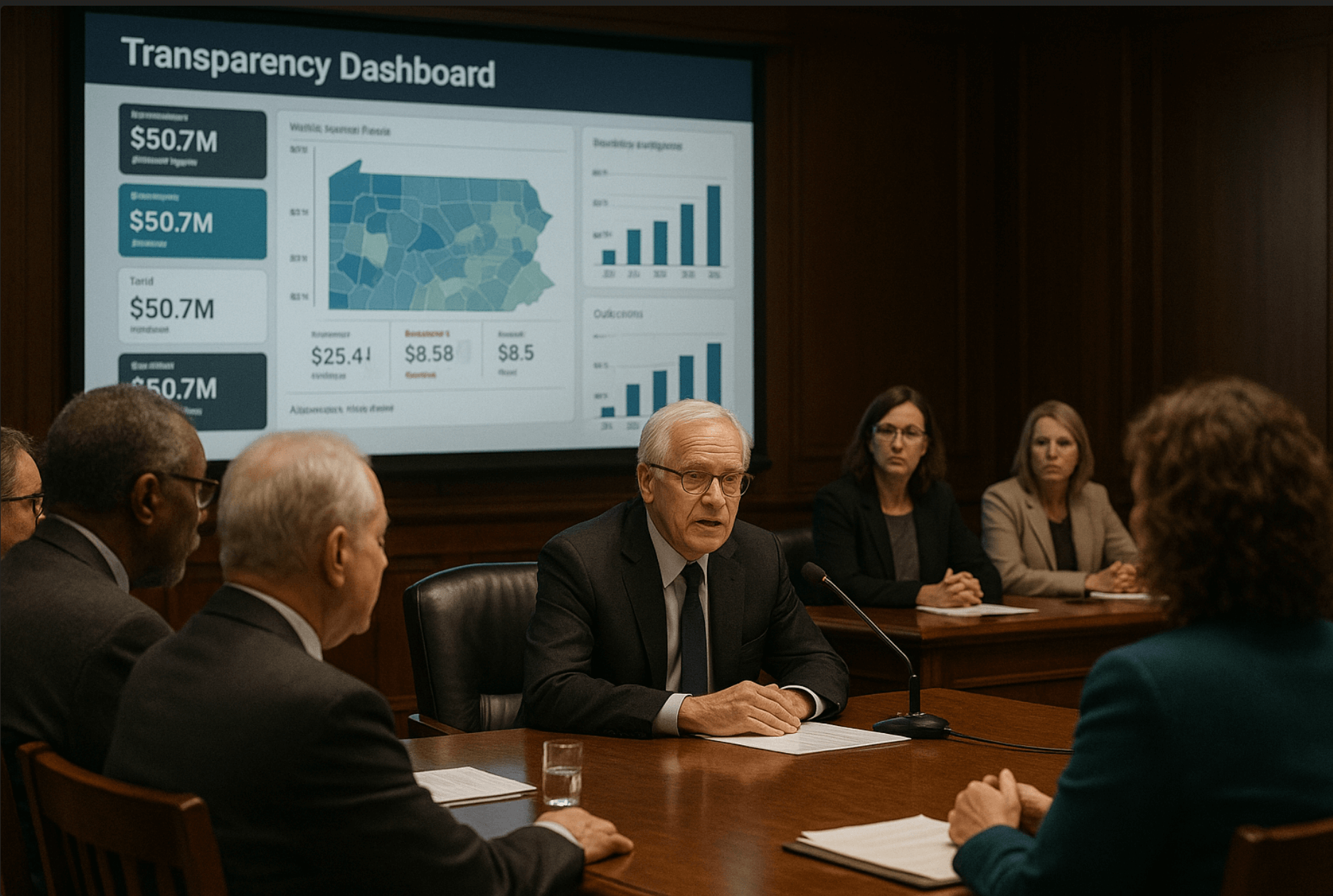
How Pennsylvania’s new public Opioid Settlement Fund allocation dashboard could transform accountability and help treatment programs stay ahead.
Read article
Stronger physician-treatment center partnerships improve SUD outcomes. Learn how continuity of care reduces relapse risk and boosts recovery.
Read article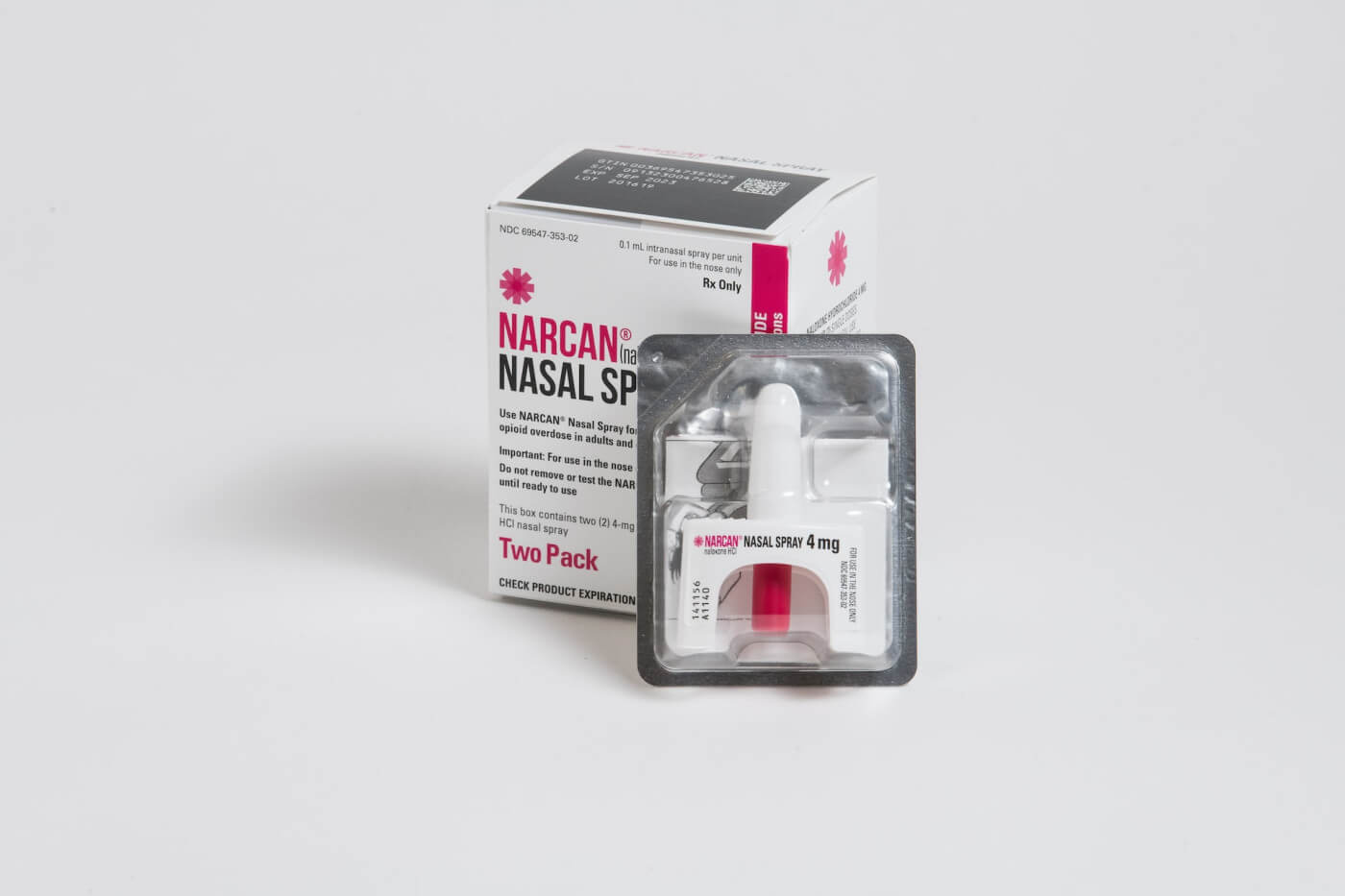
Since its FDA approval in 1971, Naloxone, more commonly known under the brand names Narcan and Kloxxado, has been an instrumental tool in reversing opioid overd
Read article
Value-based care is an alternative to the traditional fee-for-service reimbursement model that many healthcare providers use. Value-based care is specifically u
Read article
Substance Use Disorder is something that affects people from all walks of life. It is not a disease that only affects the most unfortunate in our society. Wheth
Read article